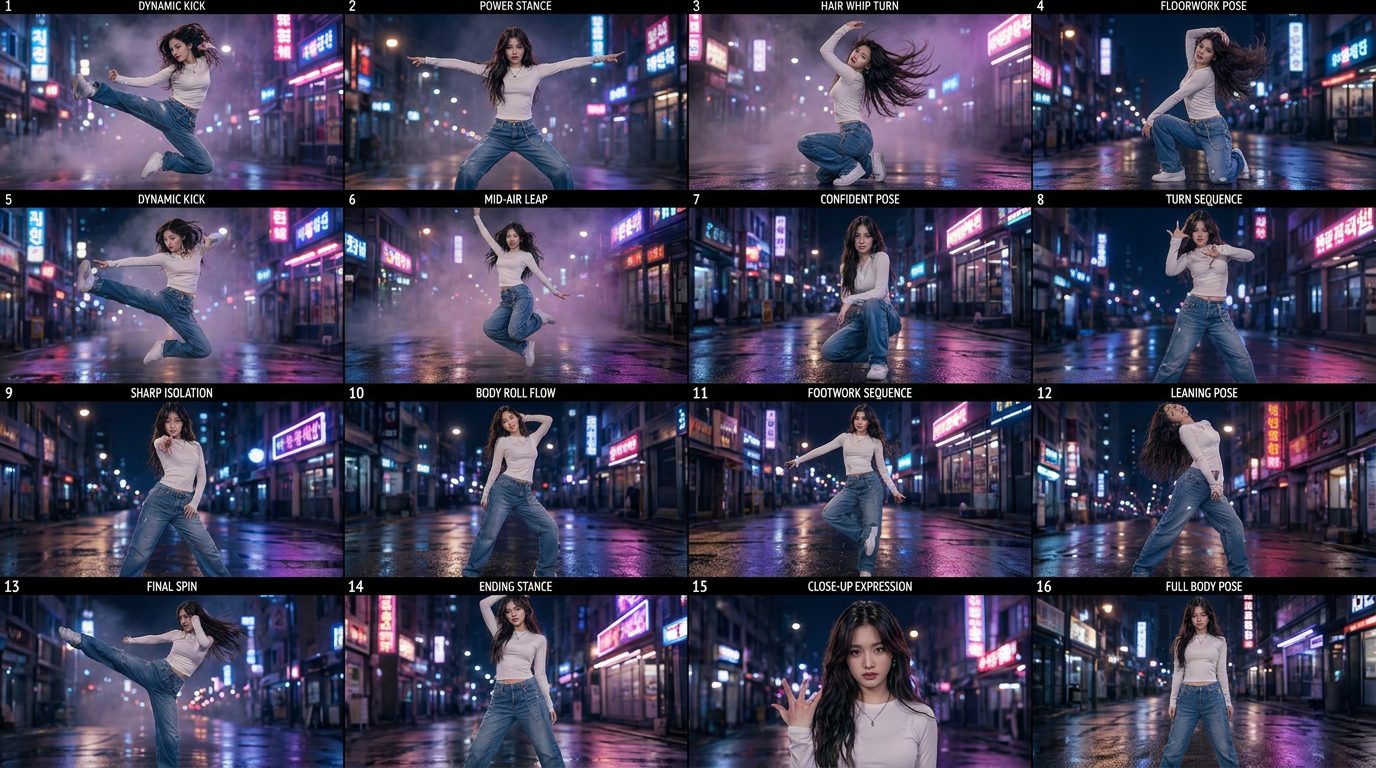
We're all drowning in images now
Making a picture used to cost time and money. Now it costs a sentence. So the bottleneck moved — from making images to seeing the ones you've already made, and most of us are losing good work in the pile.
The obvious AI tells — plastic skin, broken hands, light that's too perfect — are mostly gone. What's left are human tells: continuity, timing, and whether a real eye chose the frame.
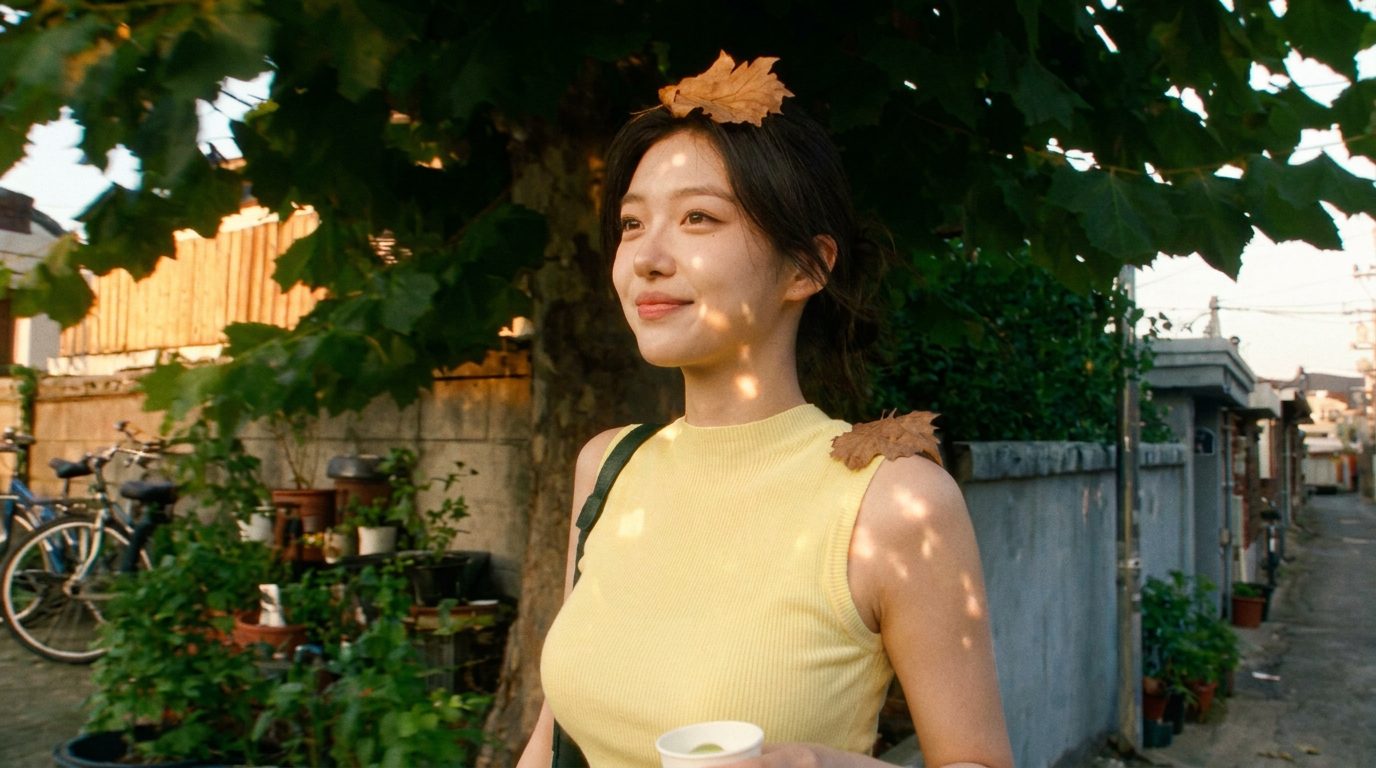
Someone posted a thirty-second clip recently — an ordinary summer evening, a young woman walking a quiet residential lane, buying fruit from a corner shop, a dog wandering over. Handheld, slightly out of focus, colors a little faded, the camera hunting to find focus. It looked exactly like footage someone shot on a cheap camcorder twenty years ago.
It was generated. Every frame. And the caption said the quiet part out loud: when AI stops looking like AI, you know it's getting serious.
For a couple of years we all learned the same checklist. Count the fingers. Check the teeth. Look for skin that's too smooth, light that's too even, backgrounds that melt if you stare. Those tells were real, and they were everywhere.
They're going fast. The best work now gets realism not by being cleaner but by being worse in the right ways — adding the handheld shake, the blown highlights, the autofocus hunting, the faded color that real cameras produce and that our eyes read as true. The craft flipped. The skill used to be making it look polished. Now it's making it look like a real device made a real mistake.
So what still gives AI away? Increasingly, not the pixels. It's the things a model doesn't understand yet:
Those aren't rendering problems. They're judgment problems. And judgment is ours.
If a model can produce a believable frame on demand, then producing frames isn't the valuable part anymore. Choosing is. Which of the fifty takes has the right timing. Which one holds continuity. Which one a person would stop scrolling for.
The last five percent of "good" was never about the tech. It's taste — knowing the frame when you see it. And you can only exercise taste if you can actually see the options side by side, at a size where the half-second of timing and the wrong shadow are visible.
That's the part we think about. The models got good enough that the human job narrowed to one thing: looking, and choosing well. The least we can do is make the looking easy.
The old tells — plastic skin, broken hands, too-perfect light — are mostly gone. What's left is continuity (objects and shadows that shift between cuts), timing (motion that's smooth but unweighted, reactions that land slightly off), and whether a frame looks chosen rather than randomly rendered.
Selection. When a model can produce a believable frame on demand, the valuable work is choosing the one with the right timing, continuity and intent — which requires seeing the options side by side, not one at a time.
Making a picture used to cost time and money. Now it costs a sentence. So the bottleneck moved — from making images to seeing the ones you've already made, and most of us are losing good work in the pile.
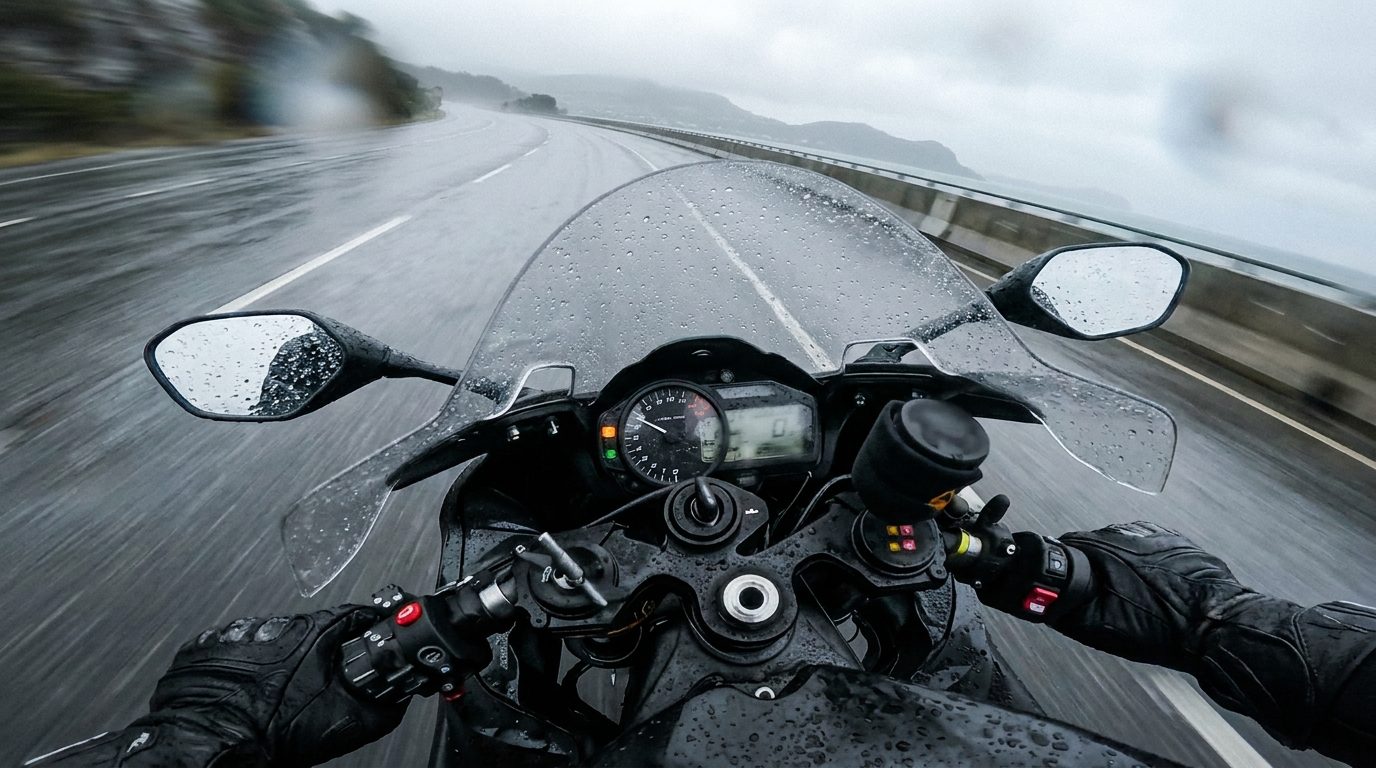
The screenshot quietly became how we save, compare and share visual work — a reference, a receipt, a mood board, a “look at this.” It deserves better than the bottom of a camera roll.
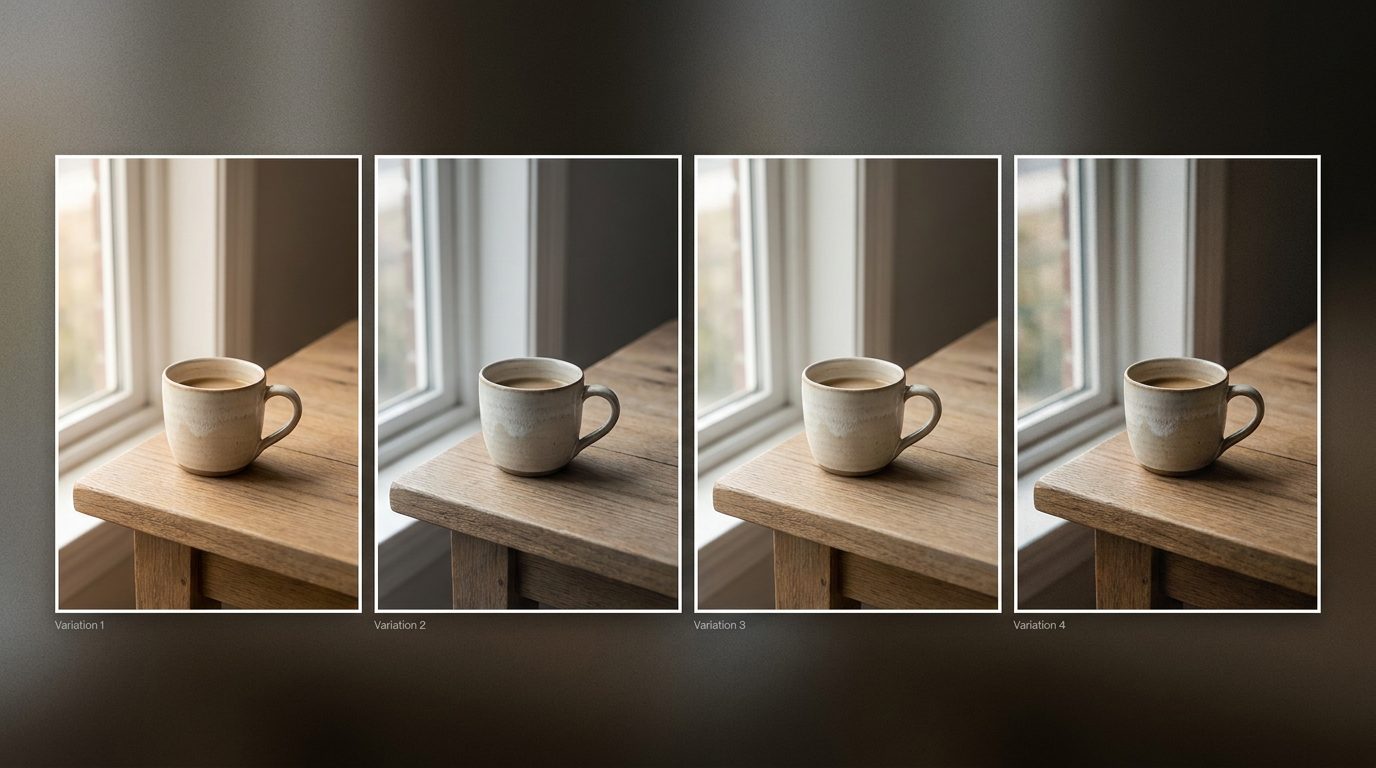
When anyone can generate a hundred options, the scarce skill is no longer making — it's choosing. And choosing well means seeing the options together, not one swipe at a time.