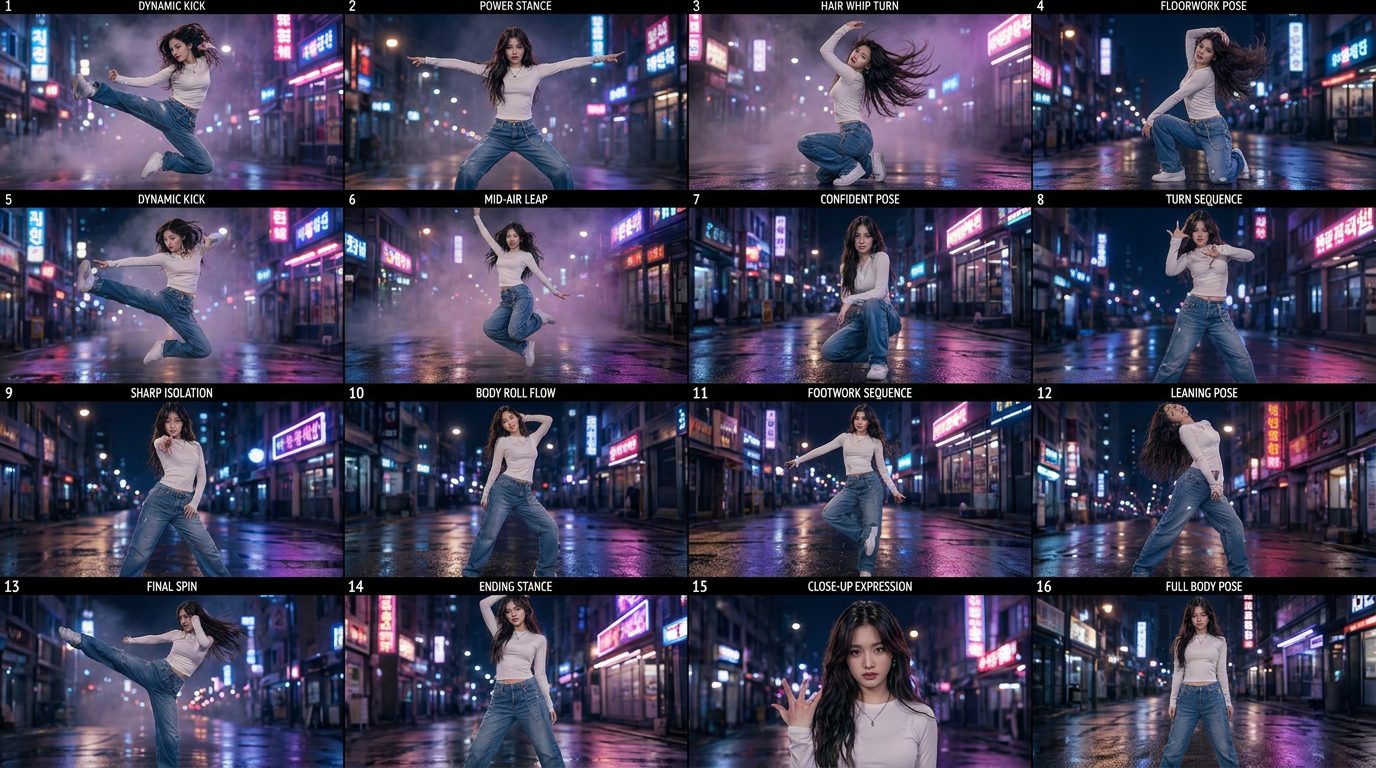
We're all drowning in images now
Making a picture used to cost time and money. Now it costs a sentence. So the bottleneck moved — from making images to seeing the ones you've already made, and most of us are losing good work in the pile.
When anyone can generate a hundred options, the scarce skill is no longer making — it's choosing. And choosing well means seeing the options together, not one swipe at a time.
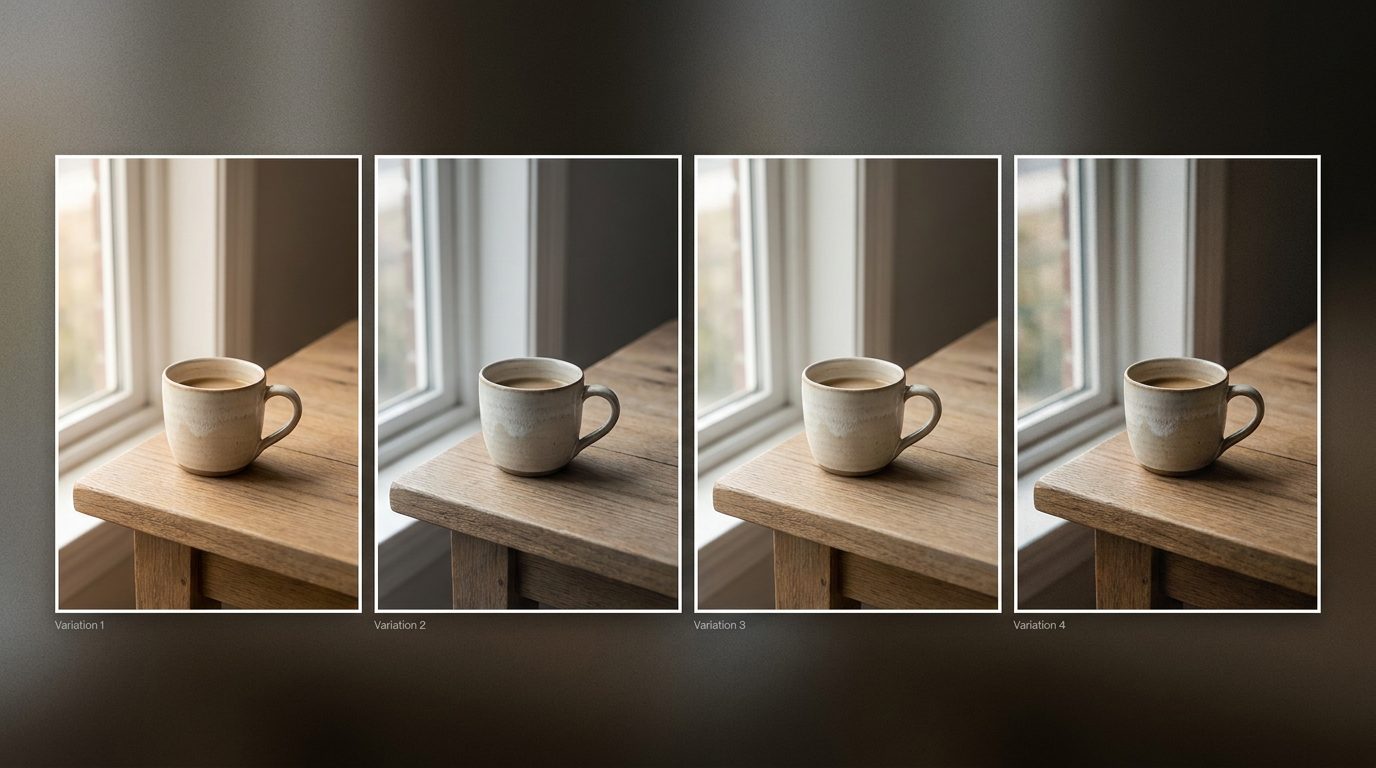
Here's a trade that happened so fast most of us didn't notice the bill. The price of making a visual fell to roughly zero. And exactly as it fell, the price of choosing went up.
They're connected. The cheaper it is to generate an option, the more options you generate, and the more options you have, the harder — and more valuable — it becomes to pick the right one. Abundance on one side creates scarcity on the other. The scarce thing now is a good decision.
Almost all the energy in AI tools has gone into making generation faster, cheaper, better. Fair enough — that was the obvious bottleneck. But it means we built a firehose and no sink. You can produce a hundred takes in an afternoon and have no decent way to look at all hundred and decide.
So people fall back on the worst possible review method: one at a time. Swipe through a camera roll. Click through an app's history, one modal at a time. Scroll a vertical list where the image you want to compare against is already off-screen. Every one of those hides the exact thing choosing requires — the other options, next to this one.
We don't talk about curation as a skill the way we talk about shooting or editing, but it is one. A good editor's real talent is knowing which frame. A gallerist's talent is what goes on the wall and what stays in the drawer. A director watches the takes together and feels which one has it.
What they all share is a surface. The editor has a timeline. The gallerist has a wall. They don't judge by memory, one image at a time — they put the candidates in view at once and let their eye do the comparing. That's not a nicety. It's the whole mechanism of taste.
AI handed everyone a hundred takes and none of the surfaces.
The thing we care about is unglamorous: give the choosing the same respect the making got. A surface where every option is in view at once — a grid, side by side, big enough that the difference between take 12 and take 38 is visible in a glance instead of a memory test.
Making is solved. Anyone can flood themselves with options now. The next real advantage isn't a better generator — it's being able to look at everything you made and choose well, quickly. That's the expensive skill now. It deserves a tool.
Choosing. When generating an option costs almost nothing, people produce far more options, which makes selecting the right one the scarce, valuable skill. Choosing well depends on seeing the options together rather than reviewing them one at a time.
Because judgment is comparative — it needs the other candidates in view next to the one you're looking at. Swiping a camera roll or clicking through an app's history hides the alternatives, which is exactly what choosing requires. A grid that shows everything at once restores it.
Making a picture used to cost time and money. Now it costs a sentence. So the bottleneck moved — from making images to seeing the ones you've already made, and most of us are losing good work in the pile.
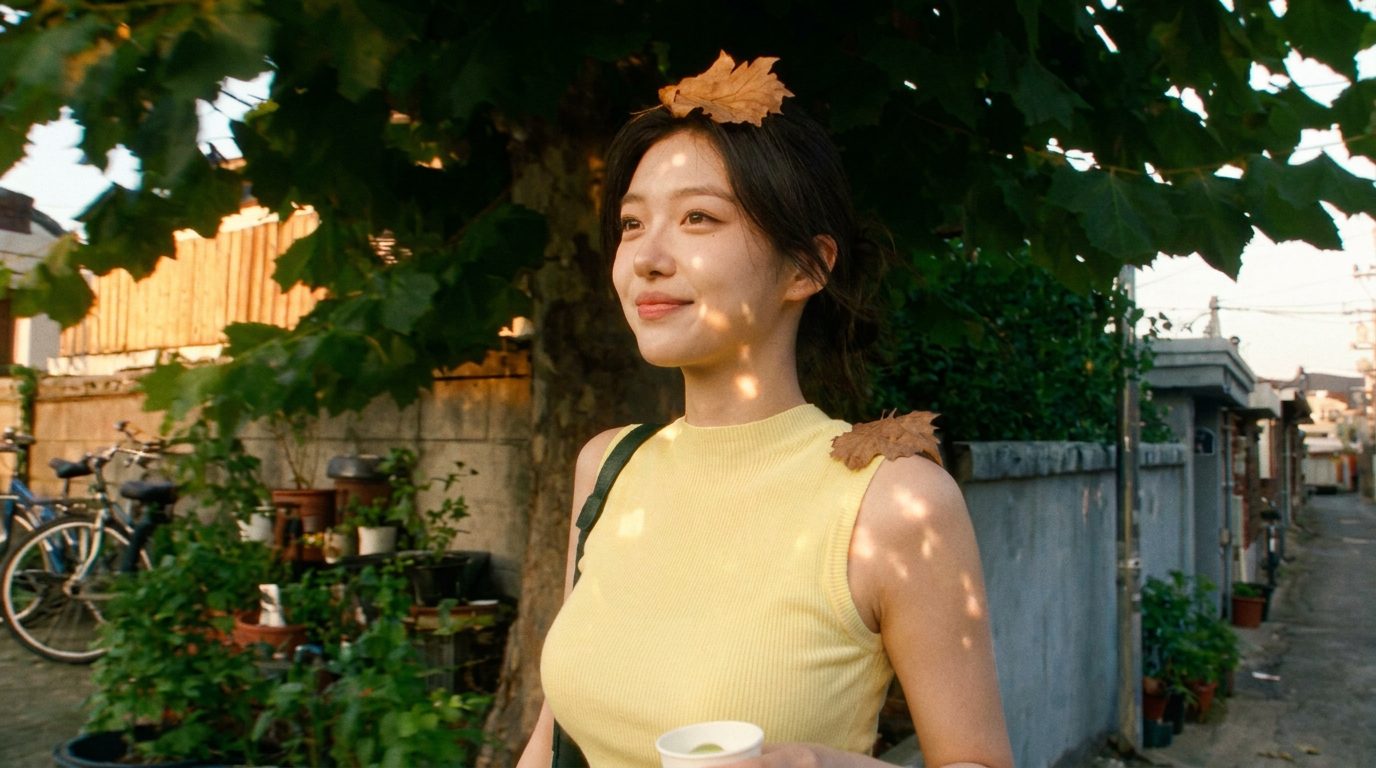
The obvious AI tells — plastic skin, broken hands, light that's too perfect — are mostly gone. What's left are human tells: continuity, timing, and whether a real eye chose the frame.
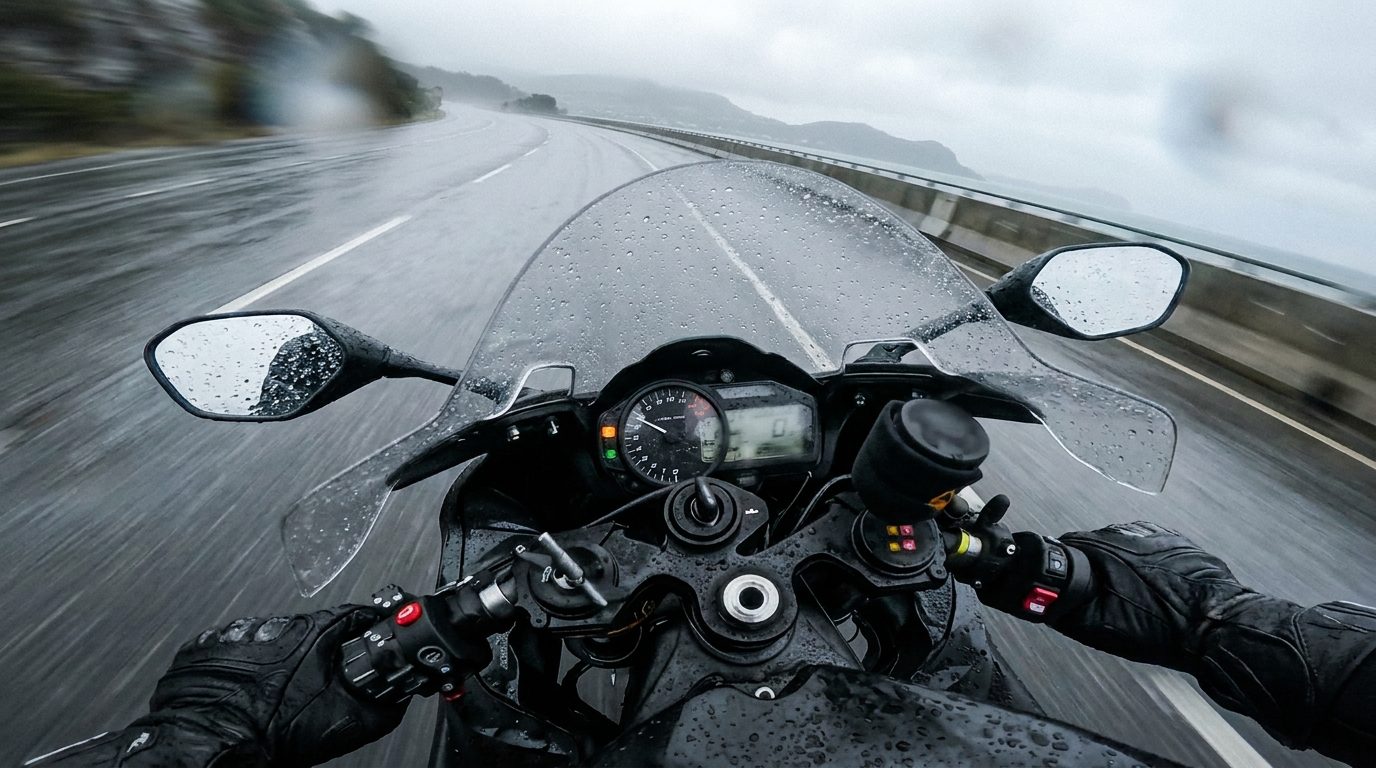
The screenshot quietly became how we save, compare and share visual work — a reference, a receipt, a mood board, a “look at this.” It deserves better than the bottom of a camera roll.