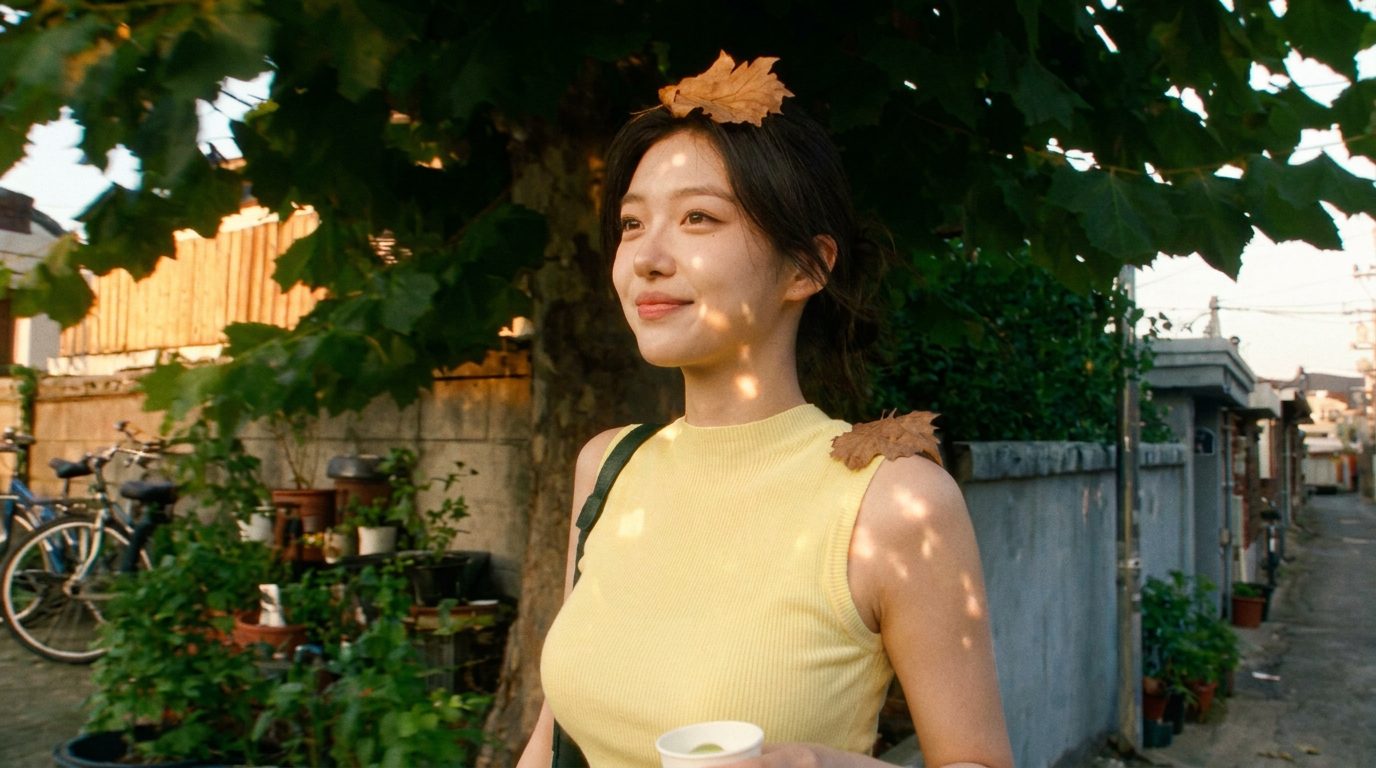
AI stopped looking like AI — the tells that are left
The obvious AI tells — plastic skin, broken hands, light that's too perfect — are mostly gone. What's left are human tells: continuity, timing, and whether a real eye chose the frame.
Making a picture used to cost time and money. Now it costs a sentence. So the bottleneck moved — from making images to seeing the ones you've already made, and most of us are losing good work in the pile.
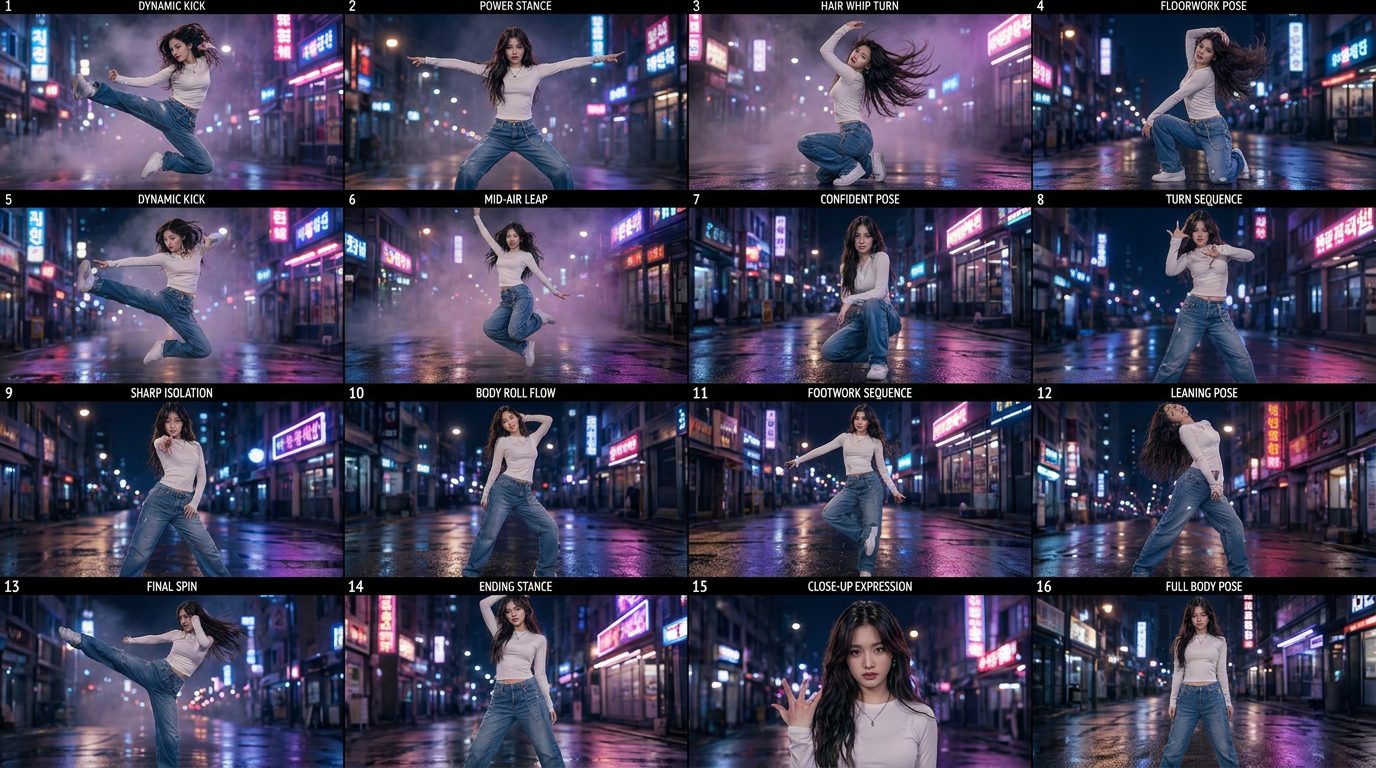
There was a time, not long ago, when a single good image was an event. You shot it, or you paid someone, or you spent an evening in an editor. The cost of making one was high enough that you looked carefully at the few you had.
That economy is gone. One prompt now returns a sixteen-panel sheet, five variations, a dozen takes. A single afternoon of "just trying things" leaves you with hundreds of frames. Making is effectively free.
And here's what nobody warned us about: when making became free, the hard part didn't disappear. It moved.
The bottleneck used to be production. Now it's everything after. You've generated the shot — but which take was the good one? Where did you save the reference that started it? Which version did you send, and which did you mean to send?
The work isn't gone. It's buried. It's in a camera roll with four thousand other images, in a Downloads folder named after timestamps, in six different apps that each hold a piece. You made something good last Tuesday and you will probably never find it again.
Our tools for holding images assume scarcity. A folder is fine for forty photos. A camera roll works when you took the photos one at a time, with a reason each. Neither was designed for the firehose — hundreds of near-identical frames a day, most of them drafts, a few of them keepers, all of them looking roughly the same in a thumbnail grid you have to scroll forever.
So we do the thing people do when a system overflows: we stop using it. We stop going back. The good frame from last week stays buried because finding it costs more than making a new one. Which we do. And the pile grows.
If making is free and finding is expensive, then the valuable thing is seeing — getting all of it in front of you at once, so you can actually compare, judge, and pull out the few that matter.
That's a small idea, but it's the one we kept running into. Not another generator. Not another feed. Just a place where everything you've made is on the wall at the same time, big enough to judge, close enough to compare — so the good work stops drowning.
That's the problem we care about. The making got solved. The seeing didn't. Yet.
Because the tools that hold them — folders, camera rolls — were built for a world of scarce, one-at-a-time photos, not hundreds of near-identical frames a day. The good work isn't gone; it's buried, and finding it costs more than making something new.
The bottleneck moved from making to seeing. When generating is free, the hard part is reviewing everything you've made, comparing the versions, and pulling out the few that matter — which thumbnail grids and folders make slow and painful.
The obvious AI tells — plastic skin, broken hands, light that's too perfect — are mostly gone. What's left are human tells: continuity, timing, and whether a real eye chose the frame.
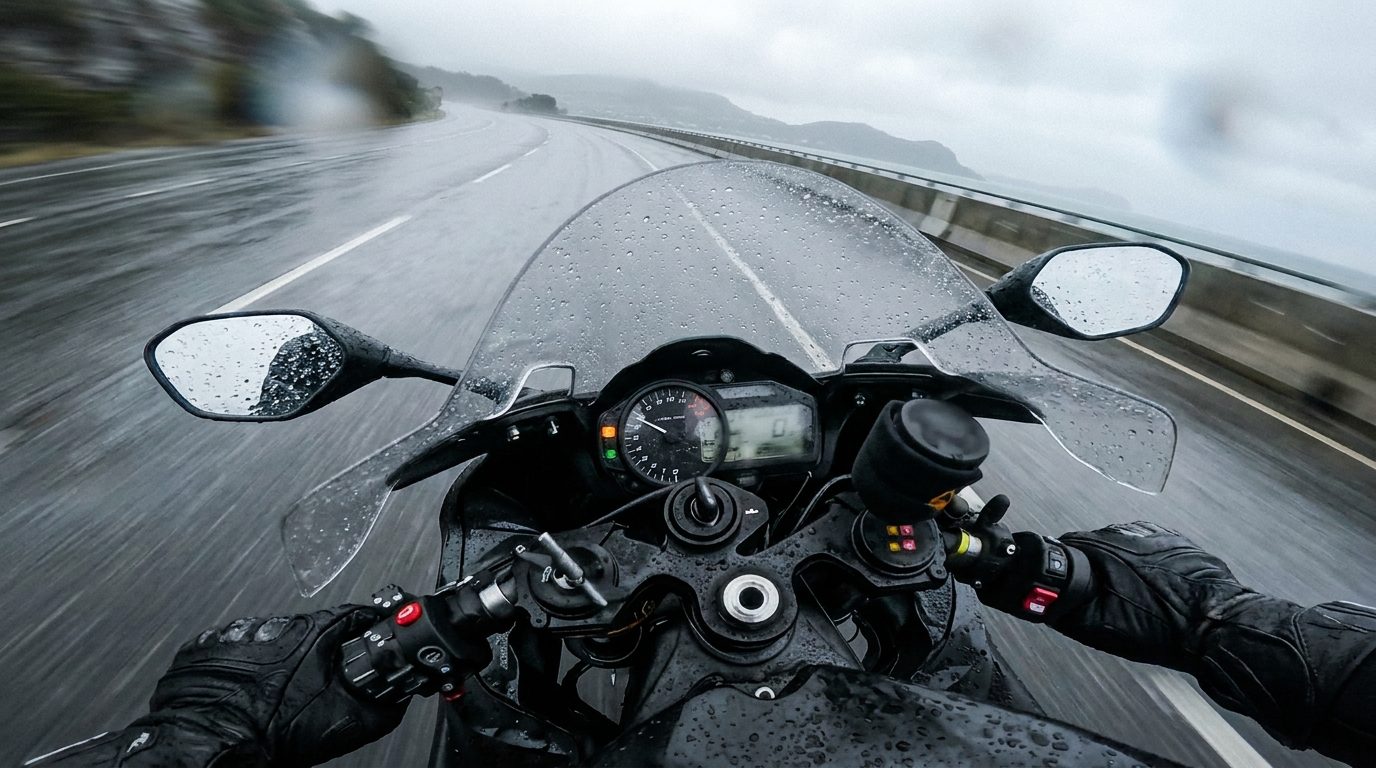
The screenshot quietly became how we save, compare and share visual work — a reference, a receipt, a mood board, a “look at this.” It deserves better than the bottom of a camera roll.
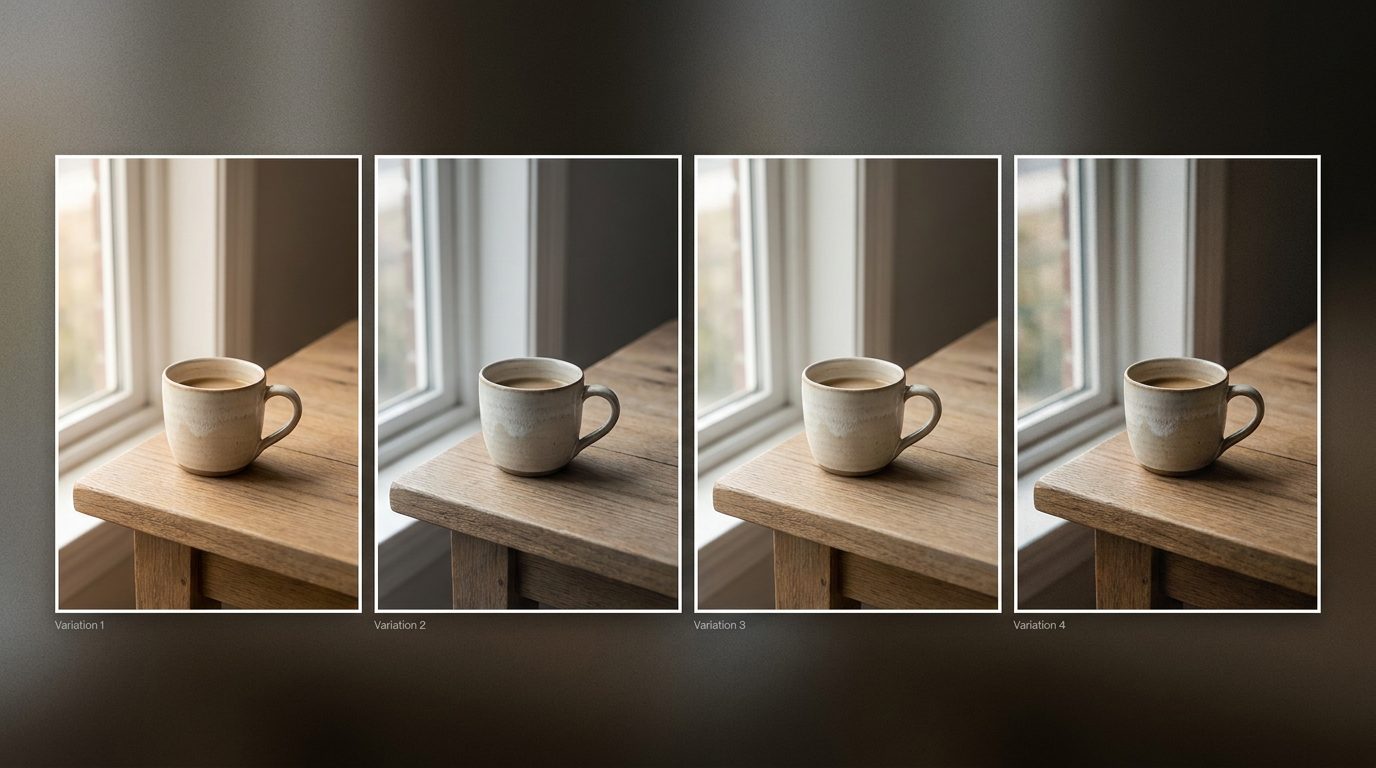
When anyone can generate a hundred options, the scarce skill is no longer making — it's choosing. And choosing well means seeing the options together, not one swipe at a time.